

How to Write a Dating Profile When You Value Privacy: The Complete Safety Guide
Daniel Zvi
 194
194

A Privacy-First Dating Profile is a strategic approach to online dating that curates your public bio and photos to maximize attraction while strictly minimizing the exposure of Personally Identifiable Information (PII). By sanitizing metadata, generalizing career details, and utilizing "burner" communication tools, users can participate in online dating without risking "doxing," professional exposure, or stalking.
Why Does Digital Privacy Matter in Online Dating?
In the age of Open-Source Intelligence (OSINT), maintaining Operational Security (OpSec) is no longer just for public figures; it is a necessity for anyone with a career or assets to protect. Before creating an account, we recommend reviewing our Best Dating Sites for 2025 list to ensure you choose a platform with robust encryption standards.
Ignoring privacy hygiene can lead to three specific risks:
- Reverse Engineering (Doxing): Malicious users can use "breadcrumbs" (like a unique dog breed + a first name) to locate your home address.
- Professional Bleed: Without safeguards, clients, patients, or employees can stumble upon your profile, blurring professional boundaries.
- Data Aggregation: Scrapers can link your dating profile to your LinkedIn, Facebook, and voter registration records to build a full dossier on you.
 Our top picks for April 2026
 9.9
9.9


 Safe & secure mature dating


How Can I Create a Secure Profile? (Step-by-Step)
Follow this strict audit process to ensure your profile is attractive to humans but opaque to data scrapers.
1. How do I sanitize my photos?
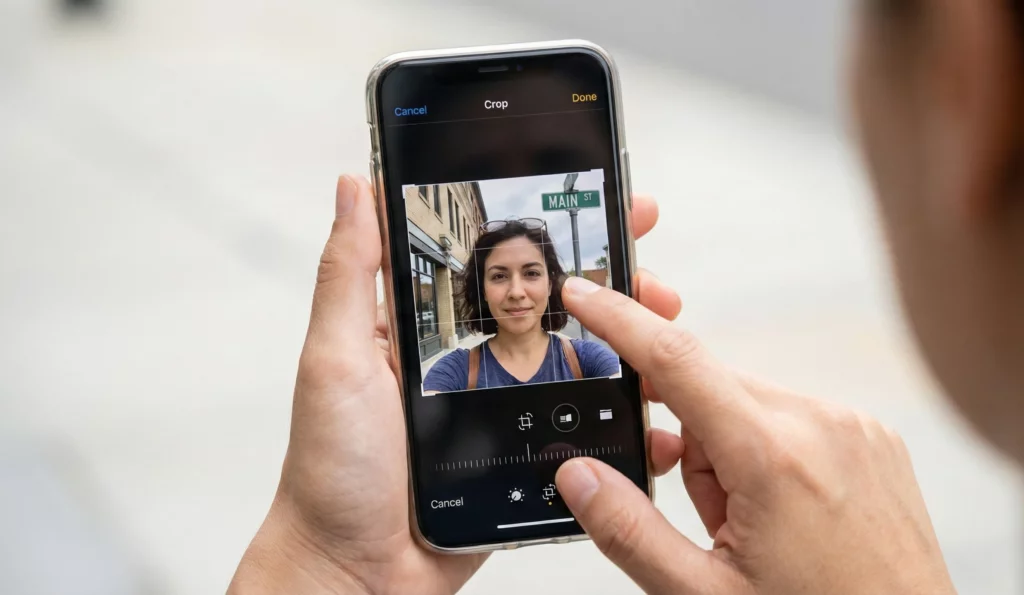
Never upload a photo to a dating app that you have used elsewhere on the internet (LinkedIn, Instagram, Company Bio).
- The Risk: A stranger can save your dating photo, upload it to Google Lens or PimEyes, and find your full name within seconds.
- The Fix: Take fresh photos specifically for dating. Additionally, use tools like ExifPurge to strip "Geotags" (hidden location data) from the image files before uploading.
2. How should I list my job title?
Your job title is often the easiest way to identify you. If you are the "Director of Supply Chain at [Specific Company]," you are likely the only person in the world with that title.
- Bad: "3rd Grade Teacher at Lincoln Elementary."
- Good: "Educator" or "Elementary School Teacher."
- Why: It invites conversation ("Oh, what grade do you teach?") without handing over your workplace address.
3. How do I hide my specific location?
In your bio, never mention your specific neighborhood or cross-streets.
- The Risk: Listing "Living in [Small Suburb]" combines with the app's "Distance" setting to pinpoint your exact location.
- The Fix: Stick to the broader Metropolitan Statistical Area (e.g., "Greater Chicago Area").
4. What username should I use?
Do not use your standard handle (e.g., MikeRuns22) that you use on Twitter, Reddit, or eBay. If a match Googles that handle, they will see your entire post history. Create a unique pseudonym specifically for the app.
What Tools Do I Need for Anonymous Dating?
To truly automate your privacy, you should set up a defensive layer of tools before you even download an app.
- Google Voice (VoIP Numbers): Never give out your real SIM number to a match immediately. Your real number is often linked to your bank, address, and background check sites. Use a free Google Voice number for texting and calling until trust is established.
- Burner Email Addresses: Create a dedicated email (e.g., dating.mike25@gmail.com) for your dating subscriptions. This prevents app notifications from appearing on your work phone and protects your primary inbox from data breaches.
- Privacy.com (Virtual Cards): If you are extra cautious, use a service like Privacy.com to generate a virtual credit card for dating subscriptions. This ensures the merchant name (e.g., "Tinder Gold") does not appear on your main bank statement.
What Are the Most Common Privacy Mistakes to Avoid?
Even careful users often make these errors that compromise their Information Security.
- Linking Instagram/Spotify: Apps encourage this to "Verify" you. Do not do it. It provides a direct map to your friends' list, tagged locations, and daily habits.
- Leaving Visual Breadcrumbs: Be careful of background details in photos. A diploma on the wall, a visible street sign, or a unique coffee shop logo behind you can reveal your location.
- Ignoring "Incognito" Settings: Many users simply use free apps without checking the settings menu. Premium apps often have a toggle to "Hide Profile from Search Engines"—ensure this is active.
How Can Dating Software Automate My Privacy?
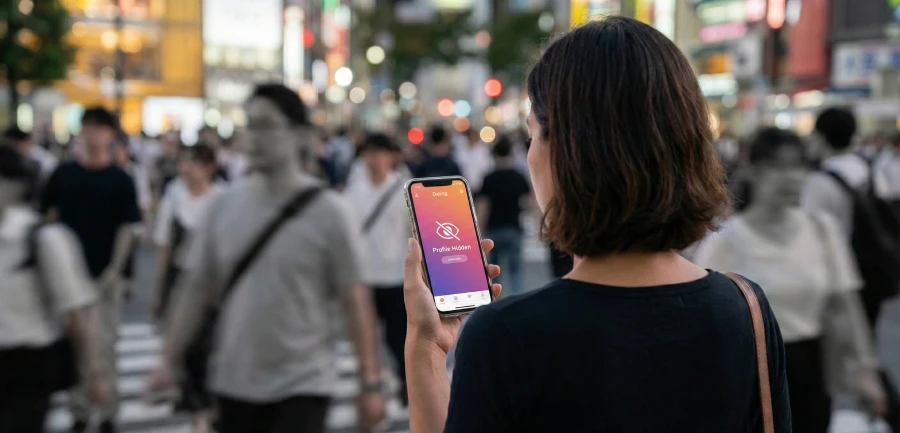
While manual precautions are essential, the platform you choose dictates your safety level. "Swipe" apps generally expose your profile to thousands of local users.
Tools like eHarmony [Read Review] and Match [Read Review] allow for "walled garden" approaches.
1. Can I control who sees my profile?
Yes, but usually only on premium sites. Platforms like Match include features where your profile is invisible to the general pool and is only revealed to people you have explicitly communicated with. This effectively eliminates the risk of colleagues seeing you.
Our top picks for April 2026

2. Do compatibility algorithms protect me?
Sites that use an algorithm-first approach, like eHarmony, do not allow users to "search" freely. They only show you to people who match your criteria, drastically reducing your exposure to scammers or mismatched users.
Our top picks for April 2026
How Do I Stay Safe on the First Date?
Privacy doesn't stop when you log off. The transition to the "Real World" is the most vulnerable moment.
- The Public Vetting: Always verify a match via a Video Call within the app before meeting. If they refuse to video chat, it is a major Red Flag for catfishing.
- Location Sharing: Tell a trusted friend (your "Safety Buddy") where you are going. Share your live location via WhatsApp or iPhone for the duration of the date.
- Transport Independence: Never let a match pick you up at your home on the first date. Drive yourself or use a rideshare to a neutral location.
Frequently Asked Questions
Q: Is it safe to use my real first name?
A: Yes, using your first name is generally safe and helps build trust. However, if you have a very unique name, consider using your middle name or a nickname to prevent easy cross-referencing on LinkedIn.
Q: Can I use dating apps without a photo?
A: While possible, we do not recommend it. Profiles without photos are often flagged as bots. A better strategy is to use a photo where you are wearing sunglasses or looking away from the camera, which defeats facial recognition software while still proving you are human.
Q: Do dating sites sell my data?
A: Free apps often monetize user data. Paid subscription sites (like the ones we recommend) rely on membership fees, meaning they have a financial incentive to protect your data rather than sell it.
Q: How do I run a background check on a match?
A: Many apps now integrate with tools like Garbo to provide low-cost background checks using just a first name and phone number. Always check the "Safety Center" of your chosen app.
Liked this article?
Daniel Zvi
Smart Recommendations

Thank you!