

Why You See Who You See: 7 Psychological Triggers in Dating App Algorithms
Daniel Zvi

A dating app algorithm is a complex mathematical formula used by platforms to determine the order in which profiles are presented to you—and inversely, who sees your profile. Contrary to popular belief, most algorithms do not prioritize long-term compatibility; they prioritize user engagement and retention. They often utilize a ranking system (historically known as an "Elo score") that assigns you a desirability rating based on the ratio of how many people "like" you versus how many people you "like."
How Do Dating Algorithms Decide Who to Show Me?
Most modern dating apps, particularly "swipe-based" platforms like Tinder, Bumble, and Hinge, operate on a business model focused on keeping you on the app as long as possible. They achieve this through two primary mechanisms:
- Collaborative Filtering: The app analyzes the behavior of users similar to you. If people who liked Profile A also liked Profile B, and you like Profile A, the algorithm will likely show you Profile B. It assumes your tastes align with the majority.
- The Desirability Score (Elo): While many apps claim to have moved past the old "Elo" system, they still use a variant of it. If you are swiped right on by highly-ranked users, your score goes up. If you swipe right on everyone indiscriminately, your score goes down, and you are shown to fewer people.

 Our top picks for April 2026
 9.9
9.9


 Over 30 years of experience


What Are the 7 Psychological Triggers Apps Use to Keep Me Swiping?
If you feel addicted to the swipe mechanism or frustrated by the "gamification" of dating, it is not in your head. It is by design. Apps employ sophisticated psychological triggers to maximize your screen time and push you toward paid subscriptions.
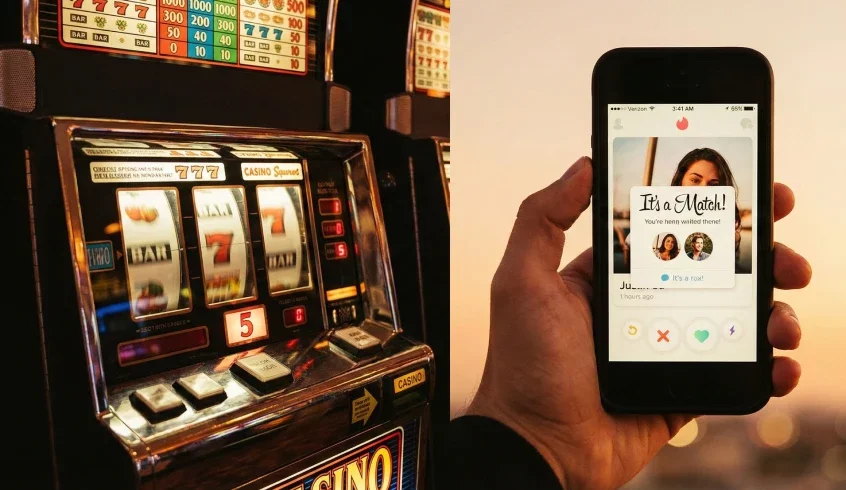
1. Intermittent Reinforcement (The Slot Machine Effect)
This is the most powerful tool in app design. If you got a match every time you swiped right, you would get bored. If you never got a match, you would quit. The algorithm provides matches unpredictably. This uncertainty releases dopamine, conditioning your brain to keep pulling the lever (swiping) in hopes of a reward.
2. The Scarcity Heuristic
Apps artificially limit your ability to connect to create a fear of missing out (FOMO).
- Daily Swipe Limits: Telling you that you are "out of likes" for 12 hours creates urgency to return the next day or pay to unlock unlimited swipes.
- Time-Limited Matches: Apps like Bumble force a conversation to start within 24 hours, or the match disappears, pressuring immediate engagement.
3. The "New User" Boost (The Bait)
When you first join an app, your profile is given an artificial boost in visibility. You receive an influx of matches in the first 48 hours, flooding your brain with validation. Once the boost ends and matches slow down, you are tempted to pay for "Boosts" or "Super Likes" to chase that initial high.
4. The Paradox of Choice
By presenting a seemingly infinite pool of options, algorithms trigger decision paralysis. Users become less satisfied with any given match because they believe a "better" option is just one swipe away, leading to endless browsing and a failure to commit to an actual date.
5. Social Proofing via Monetization
Features like "Super Likes" or "Roses" are paid signals of high interest. The algorithm highlights these users, using social proof to suggest that this person is more desirable because someone was willing to pay to get their attention.
6. Blurred "Likes" (Curiosity Gaps)
Showing you that "15+ people like you" but blurring their photos utilizes the curiosity gap. Your brain craves closure on who those people are, driving you toward a premium subscription to "reveal" your admirers.
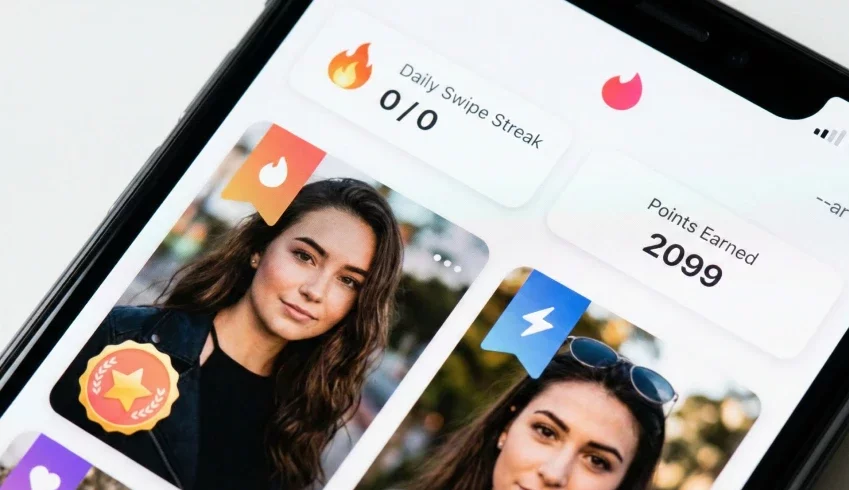
7. Gamification Loops
Streaks, badges, and "top pick" grids turn the search for a partner into a video game. The goal shifts from finding a connection to "winning" the app by accumulating matches and high scores.
How Can I "Hack" the Algorithm to Get Better Matches?
If you choose to stay on swipe-based apps, you must play by their rules to maintain visibility.
- Be Selective With Your Swipes: Swiping right on everyone tanks your internal score. The algorithm interprets this as desperation and shows you to fewer high-quality profiles. Aim for a 30-50% right-swipe ratio.
- Maximize Profile Completeness: Algorithms favor completed profiles. Fill out every prompt, link Spotify/Instagram (cautiously), and ensure you have at least 4-5 high-quality photos.
- Activity Tracking Matters: Dormant profiles are de-prioritized. You need to log in daily and engage in conversations. The algorithm rewards users who actually chat with their matches.
Our top picks for April 2026
How Some Platforms Prioritize Compatibility Over Swiping
The frustration with gamified algorithms has led to a resurgence in platforms that prioritize psychometric data over engagement metrics.
If you are tired of the "slot machine" dynamic, consider platforms designed for long-term compatibility rather than short-term dopamine loops. Sites like eHarmony [Read Review] utilize extensive personality questionnaires to match users based on core values and relationship goals, bypassing the superficial swipe mechanism entirely.
For a deeper look at the differences between swipe apps and compatibility sites, check our comparison of [The Best Dating Sites for Serious Relationships].
Our top picks for April 2026

Frequently Asked Questions
Q: Do dating apps hide attractive people to make me pay?
A: Yes, this is a common monetization strategy. Some algorithms identify highly desirable profiles and place them behind a paywall (like Tinder's "Gold" tier or Hinge's "Standouts"), requiring you to upgrade to interact with them.
Q: Does deleting and recreating my account reset my algorithm score?
A: It used to, but most modern apps are sophisticated enough to recognize returning users via device ID, phone number, or linked social media, linking you back to your previous "shadow score."
Q: Why do I keep seeing people who live far away?
A: When you run out of compatible profiles in your immediate vicinity, the algorithm expands your radius automatically to ensure you always have someone to swipe on, prioritizing keeping you busy over showing realistic matches.
Q: What is a "shadowban" in dating apps?
A: A shadowban is when the app allows you to use the interface normally (swiping, editing profile), but your profile is invisible to other users. This usually happens if you are flagged for spam behavior or violating terms of service.
Liked this article?
Daniel Zvi
Smart Recommendations


Thank you!